Calving season
Thousands of calves may be born each day during the peak, usually around February.
 Livingstone
Expedition Safaris · Arusha
Ngorongoro Conservation Area
Each green season, vast herds gather on these mineral-rich plains to give birth, creating one of East Africa’s most moving wildlife spectacles.
Overview
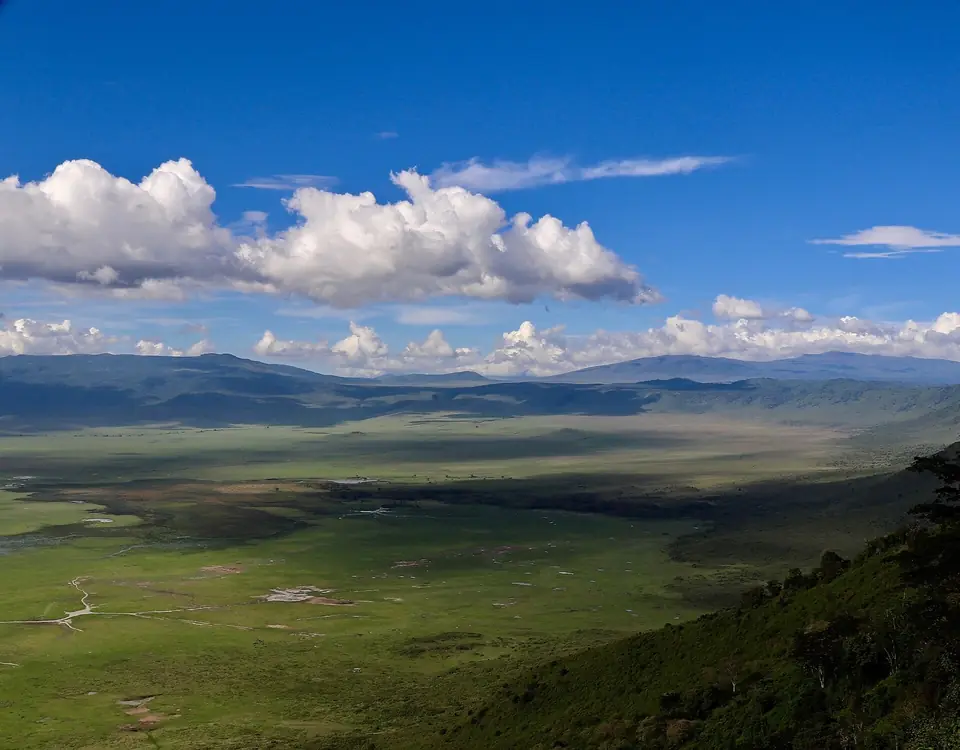
Ndutu lies where the southern Serengeti plains meet the Ngorongoro Conservation Area, around the soda lakes Ndutu and Masek. It has an open boundary with the Serengeti, but it is a different area from the Ngorongoro Crater itself.
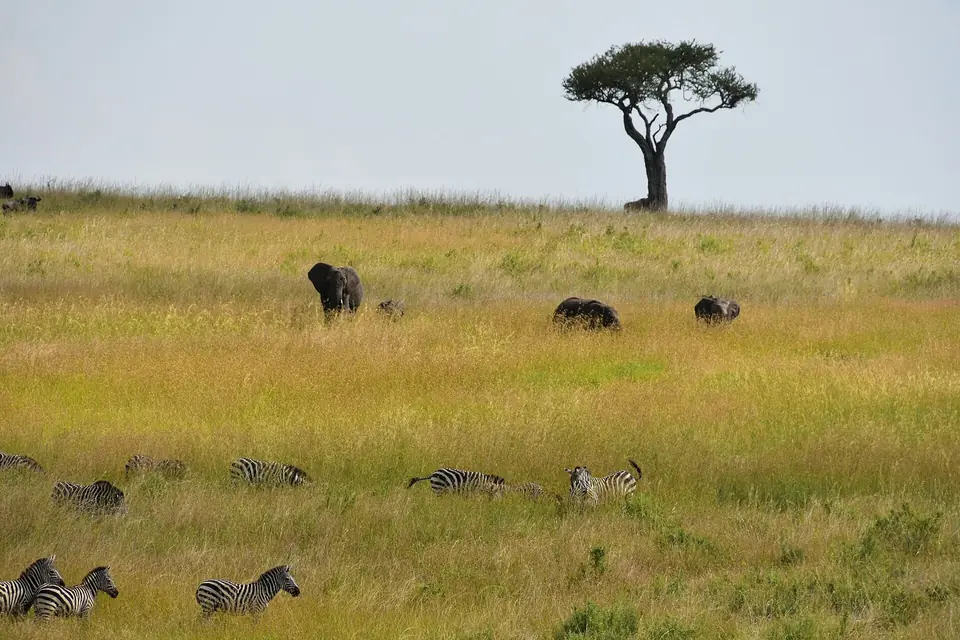
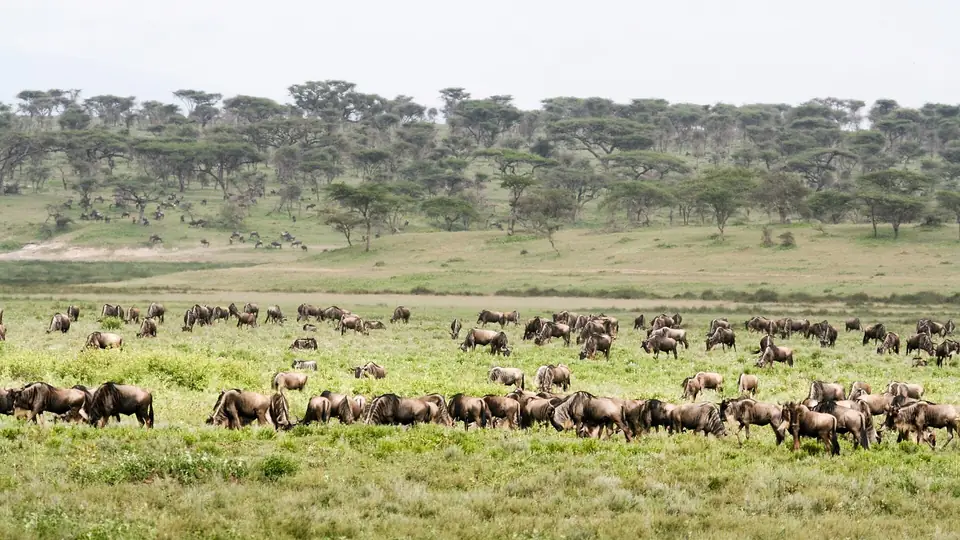
After the short rains, the plains become rich in minerals. Wildebeest, zebra and gazelle typically gather here from about December to March, and the abundance of young animals draws lions, cheetahs and hyenas.
Thousands of calves may be born each day during the peak, usually around February.
Large numbers of young animals attract big cats and hyenas.
Fresh grass, dramatic skies and soft light create beautiful photographs.
Staying close to the herds reduces long drives during the calving season.
Wildlife & nature
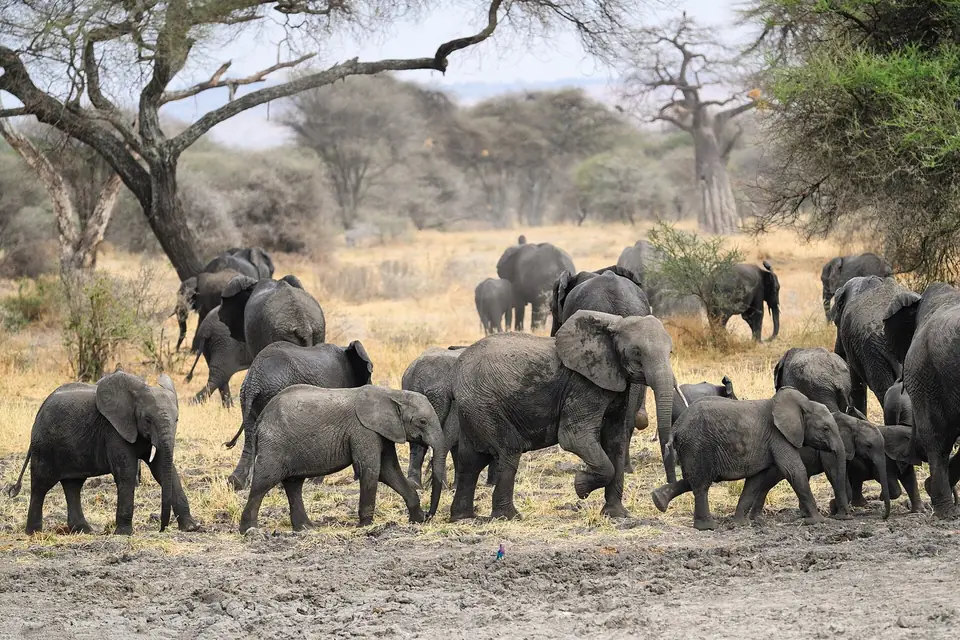
During calving season the plains are filled with wildebeest and zebra. Outside these months the herds move on, although resident wildlife remains around the lakes and woodland.
Wildlife moves freely, so no sighting can be guaranteed.
Know the landscape
The open plains where the herds usually gather during the rains.
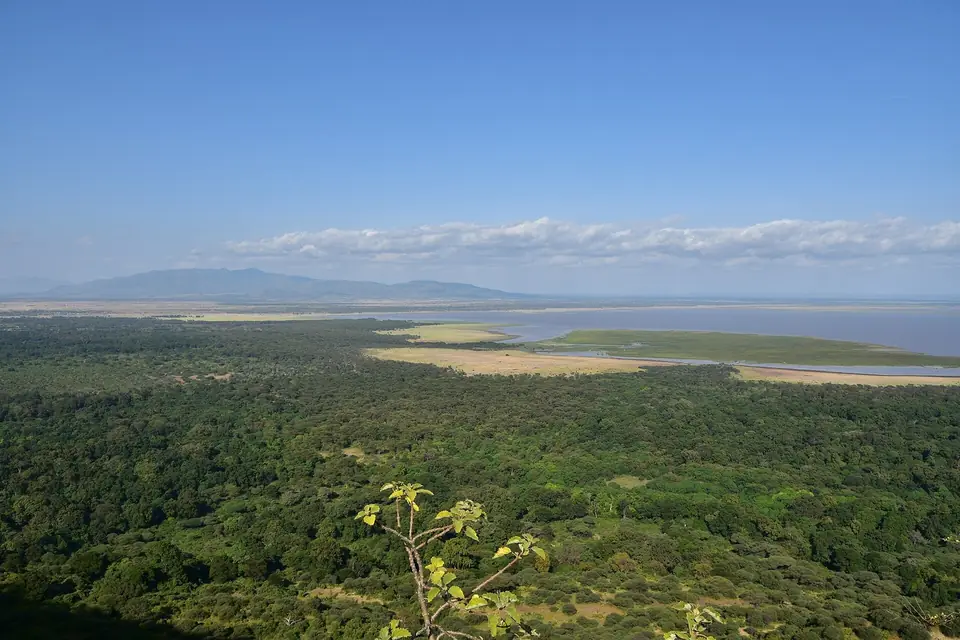
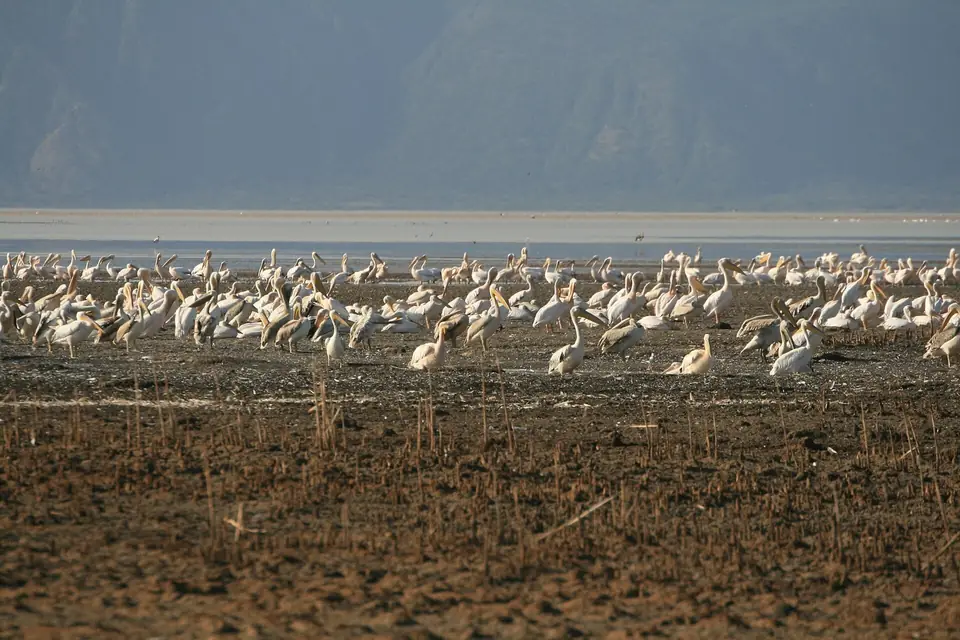
A soda lake fringed by acacia, with resident animals and birdlife.
A neighbouring lake with a peaceful setting and good game viewing.
Experiences
Patient full-day drives shaped by the latest herd movements.
Your guide watches for hunting activity around the herds.
Excellent light and action during the green season.
Combine with Olduvai Gorge or a Hadzabe morning at Lake Eyasi.
Month by month
Prime: a strong matchGood: rewarding, with trade-offsQuieter: possible, less predictable
The best time to visit, with most births usually around February.
The herds begin moving away and tracks can become difficult.
Very quiet, with the migration usually further north.
The first herds often return after the short rains.
Plan your visit
Ndutu can be reached by light aircraft or by road through the Ngorongoro highlands, which pairs naturally with a crater game drive.
| Route | By road | By air |
|---|---|---|
| Arusha → Ndutu | A full day by road | Via Ndutu airstrip |
| Ngorongoro Crater → Ndutu | About 2–3 hours | — |
| Ndutu → Lake Eyasi | About 3–4 hours | — |
Lodges & camps
These are the lodges and camps used on our current Ndutu itineraries. Availability changes, so your proposal confirms the best match for your dates and budget.
Private safaris
Good to know
The herds are usually around Ndutu from December to March, with most births in February. Exact timing depends on the rains.
Ndutu is inside the Ngorongoro Conservation Area, but it forms part of the wider Serengeti ecosystem and has an open boundary with the park.
Two to three nights is ideal, with more time recommended for photographers.
Yes, but the large herds are usually elsewhere, so another area may suit those months better.
It can be, but predator activity and long game drives may not suit every child, so we can adapt the pace.
Keep exploring
Tell us your dates, group and interests. We’ll suggest the right area, pace and lodges for your trip.
Tailor this destination